New study reveals population rise in Pied Avocets thanks to artificial wetlands
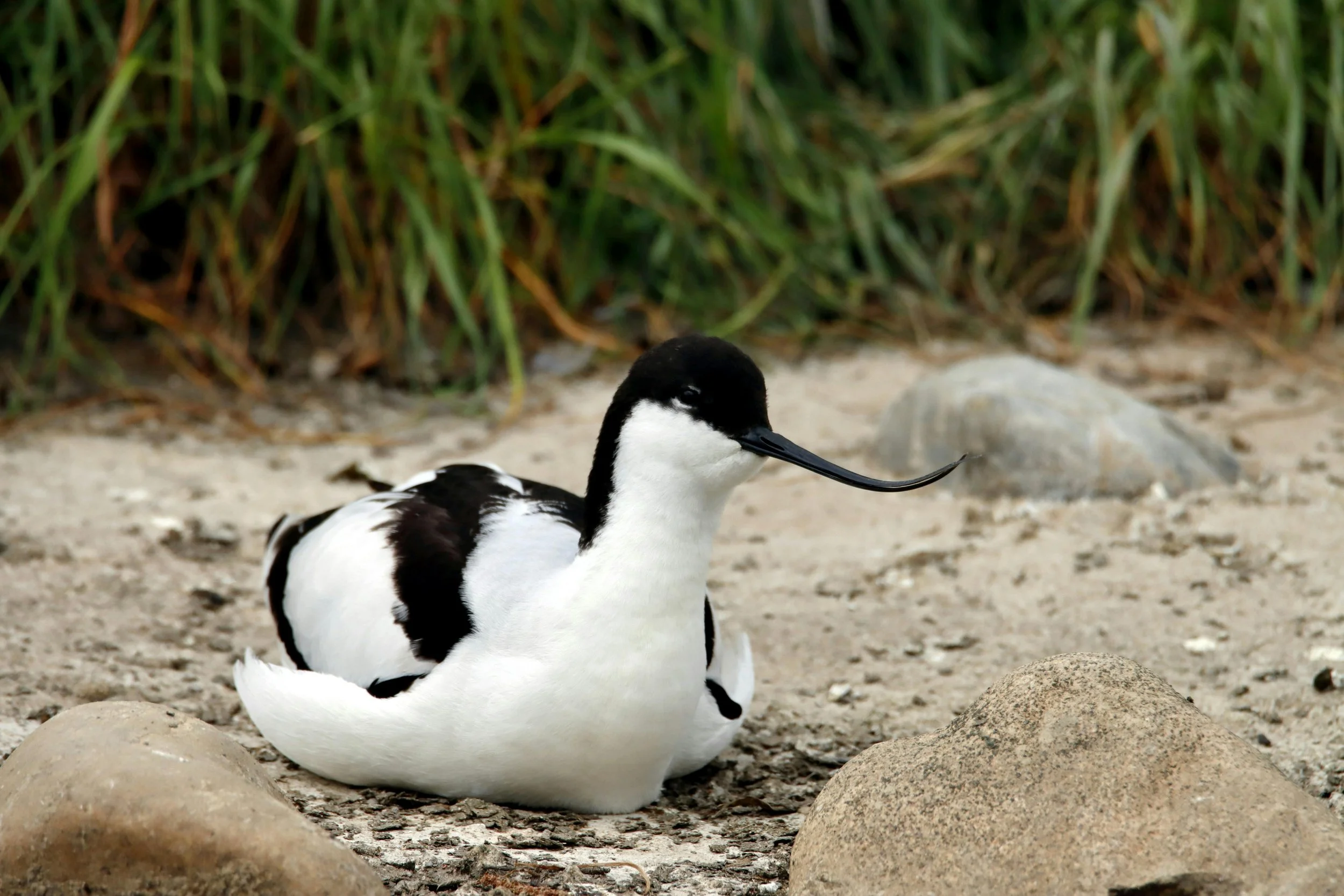
This study delivers a multi-perspective understanding of population change in the beautiful Pied Avocet. Photo by Patrice Schoefolt.
A new study led by Yang Wu and colleagues, published in Biological Conservation, reveals a surprising and encouraging trend for a migratory shorebird: the Pied Avocet (Recurvirostra avosetta) population wintering in East Asia has increased by 85% over the past 13 years.
This result emerges from a unique multi-perspective approach combining field surveys, satellite tracking, and species distribution modelling. Although some individual wintering sites—such as Shenzhen Bay—have experienced local declines, populations at inland wetlands including Dongting and Poyang Lakes have grown substantially. When viewed across the species’ full East Asian range, the overall trend is strongly positive.
Habitat modelling revealed a 109% increase in suitable wintering habitat and a 42% increase in breeding habitat area between 2000 and 2020. This expansion is largely driven by the proliferation of artificial wetlands such as saltpans and aquaculture ponds, which have become key breeding and foraging sites for the species. Pied Avocets appear to be adapting well to these man-made environments, with evidence that some individuals are now breeding on dikes and reclaimed land within active shrimp farms.
Satellite tracking provided new insight into seasonal survival rates, revealing high annual survival and low mortality during migration. The relatively short migration distances and the absence of major geographical barriers appear to contribute to this unusually high migratory survival. First-year juveniles and adults showed similar survival rates, and there was no significant difference between birds wintering inland versus along the coast.
This study demonstrates the value of integrating multiple types of evidence—field counts, tracking, and habitat models—to assess the status of migratory species, particularly in regions where long-term monitoring data are sparse. It also highlights the potential for artificial wetlands to support viable populations of adaptable species like the Pied Avocet, even as natural wetlands continue to be lost or degraded.
📝 Wu, Y., Lei, W., Wu, E. et al. (2025). A multi-perspective understanding of population change in migratory species: A case study with pied avocets (Recurvirostra avosetta) in East Asia. Biological Conservation, 304, 111048. https://doi.org/10.1016/j.biocon.2025.111048