Why some green spaces feel safe — and others don’t
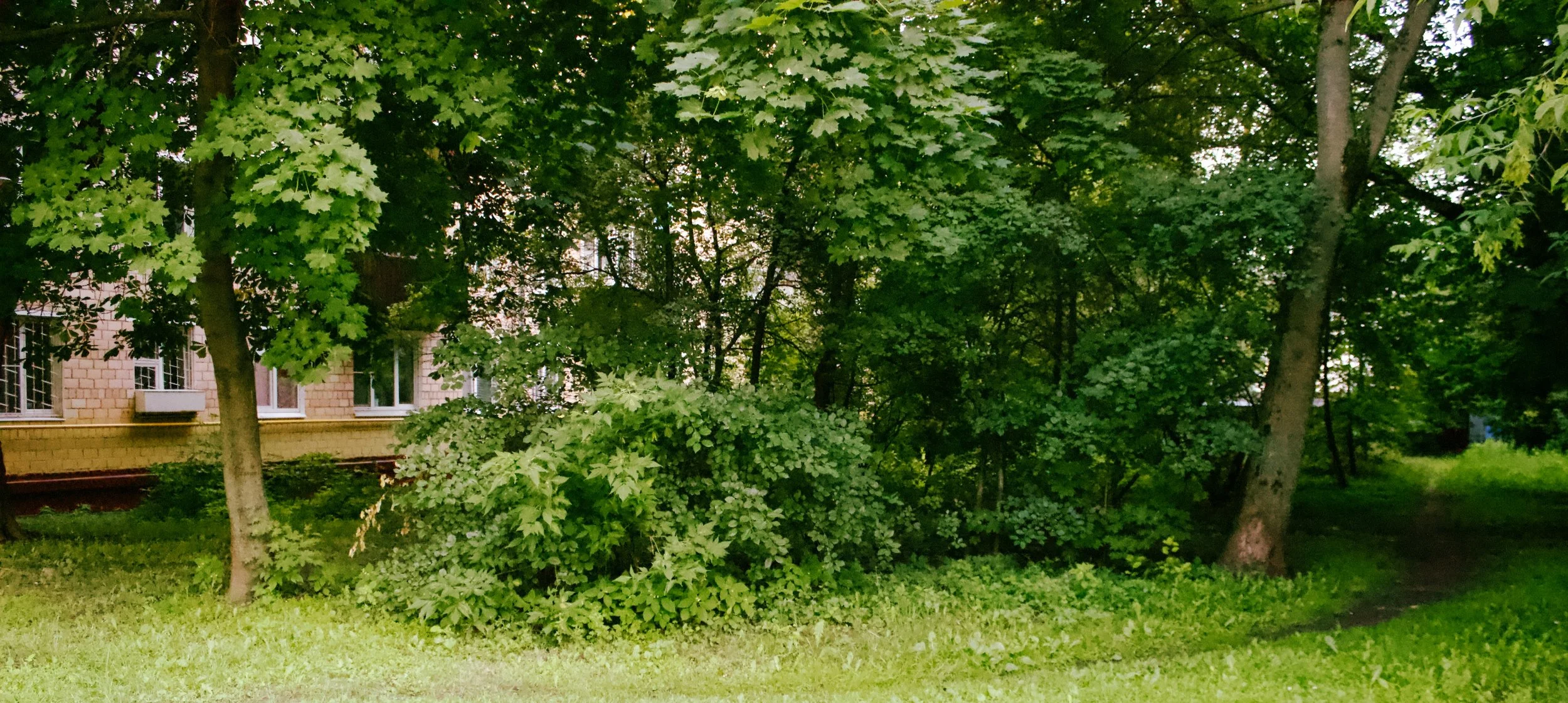
Dense vegetation in urban green spaces is good for nature, but does it compromise safety? New evidence from Paraguay suggests it does not. Photo by Michael Savin on Unsplash
Urban green spaces are often held up as essential ingredients of healthy cities. They provide opportunities for exercise, relaxation, and connection with nature, all of which are linked to improved mental and physical wellbeing.
But there is a simple condition that underpins all of these benefits: people need to feel safe.
In a new paper published today in npj Urban Sustainability, Violeta Berdejo-Espinola explores what actually shapes perceptions of safety in urban green spaces. Her findings challenge a long-standing assumption in urban design, that dense vegetation, particularly tree cover, makes people feel unsafe .
To investigate this, Violeta combined household survey data from 356 residents in a metropolitan area in Paraguay with detailed spatial data derived from satellite imagery. This allowed her to compare how people feel about green spaces with what those spaces actually look like on the ground.
The results point in a different direction than expected.
Tree cover itself showed little relationship with how safe people felt in green spaces. Instead, perceptions of safety were strongly shaped by signs of disorder, both physical and social. Poor maintenance, litter, and visible neglect were consistently associated with lower feelings of safety . In contrast, well-maintained grassy areas were linked to higher perceived safety, although this depended on the overall upkeep of the space.
Violeta’s findings suggest that it is not vegetation per se that drives concern, but what it signals. Signs of disorder can indicate a lack of care, oversight, or social cohesion, which in turn influence how people experience a place.
Interestingly, the study also found that perceived safety was not strongly linked to how often people visited green spaces . This highlights that safety is only one of several factors shaping how people use urban nature, alongside accessibility, amenities, and personal preferences.
Taken together, the work adds an important layer to how we think about designing greener cities. Efforts to increase tree cover, (often pursued for biodiversity, climate, and health benefits) do not appear to come at the cost of perceived safety. Instead, the more pressing challenge may be ensuring that green spaces are clean, well-maintained, and socially supported.
Urban nature is not just about ecological features. It is also about how those spaces are cared for, and how people experience them. This study provides a useful reminder that creating successful green spaces means paying attention not only to what we plant, but to how those places function in everyday life.