What does fair access to nature really mean?
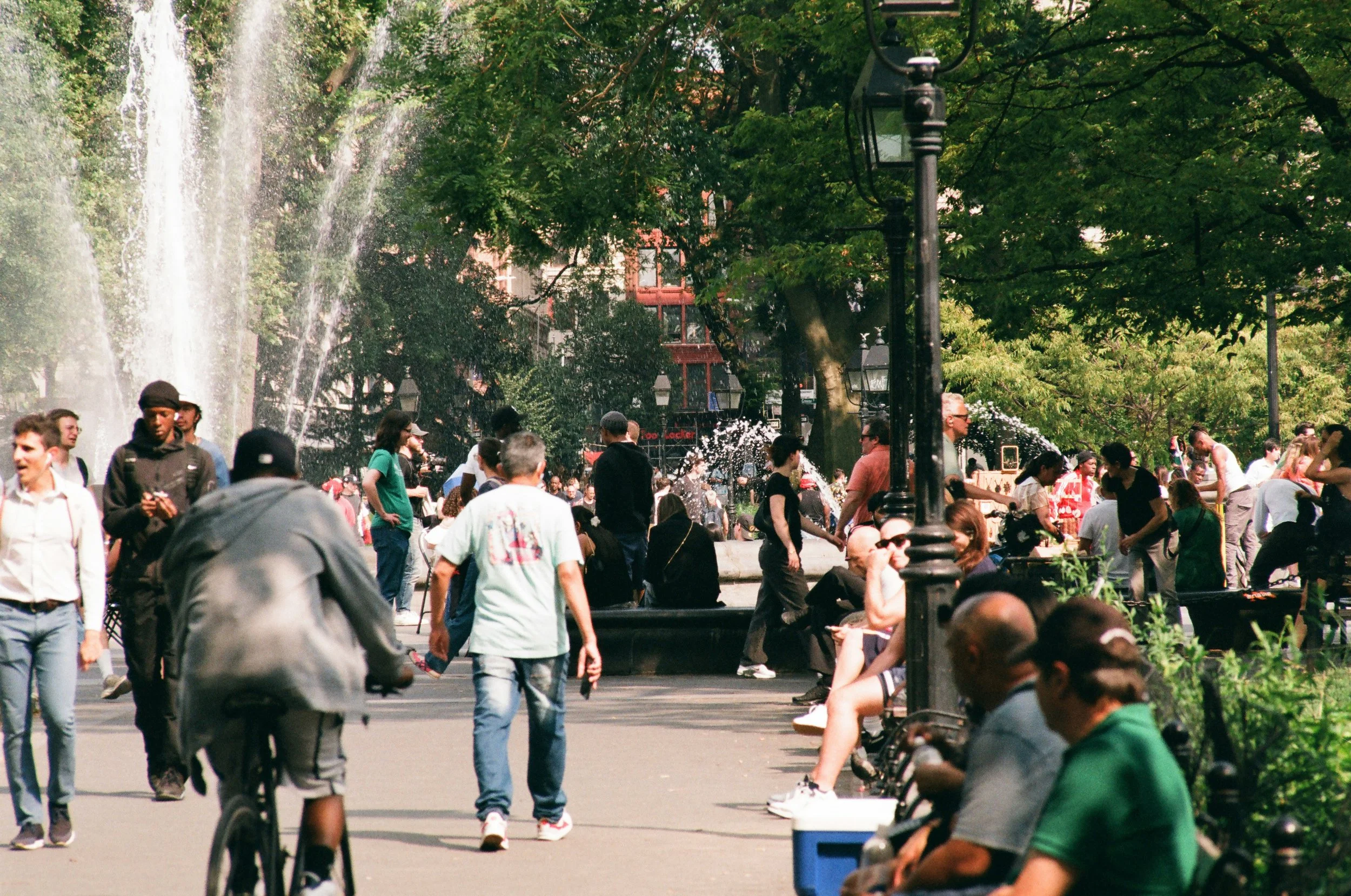
People use urban green spaces in different ways — and those differences shape how nature is experienced. Photo by Theo Laflamme on Unsplash
Cities around the world are investing heavily in green spaces. Parks, trees, and all sorts of “green infrastructure” are increasingly seen as essential for healthier, more liveable urban environments.
A central idea guiding this work is equity, or ensuring that everyone has fair access to the benefits of urban nature.
But what does “equity” actually mean in this context?
In a new paper just published in npj Urban Sustainability, PhD student Samantha Wong-Topp argues that current approaches to urban nature equity may be missing a crucial piece of the puzzle: culture .
Much of the existing research and planning assumes that people value and use nature in broadly similar ways. Metrics of equity often focus on measurable factors such as distance to parks, tree cover, or the amount of green space per person. These are important, but they do not capture how people actually experience those spaces.
Sam’s paper highlights that cultural background can profoundly shape how individuals interact with nature. Preferences for different types of vegetation, perceptions of safety, social uses of parks, and even the meaning of “nature” itself can vary widely across communities .
As cities become more culturally diverse, this mismatch becomes increasingly important. A park that looks successful on paper — well-vegetated, accessible, and well-distributed — may not meet the needs or expectations of all groups who live nearby.
This creates a risk that well-intentioned efforts to improve equity could inadvertently reinforce inequities, if they are based on a narrow or culturally specific understanding of nature.
Sam argues for a shift in how urban nature equity is approached. Rather than focusing solely on distribution — who has access to green space — there is a need to consider how different communities perceive, use, and benefit from those spaces. This means engaging more directly with cultural diversity in both research and planning.
In practical terms, this could involve more inclusive consultation processes, more flexible design approaches, and a broader definition of what counts as meaningful nature in cities.
The paper sits within a growing body of work that recognises urban nature as both an ecological and a social system. Creating greener cities is not just about planting trees or expanding parks, but about ensuring those spaces resonate with the people who use them.
As cities continue to grow and diversify, understanding these nuances may be essential for delivering on the promise of equitable urban nature.