Level-Up Urban Conservation!
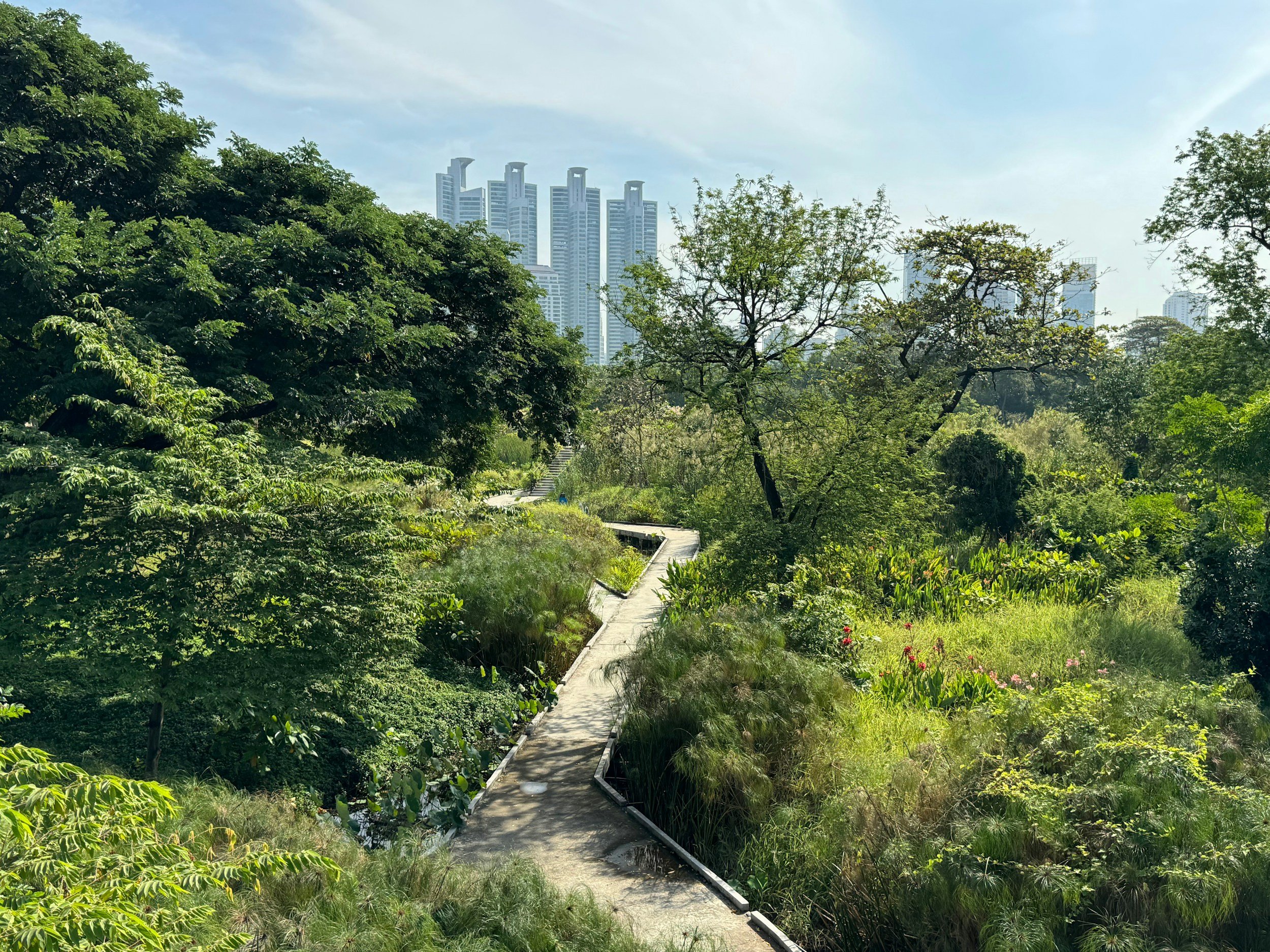
Multiple layers of vegetation can enable our urban parks to perform better for people and nature!
Australian cities are buzzing with life — much more than we often notice. Hidden in the back yards, street trees, and parks scattered through our neighbourhoods is a rich variety of animals making their living despite decades of development. But the way we design these green spaces matters. Not all vegetation is equal, and recent research led by PhD student Nicola Sockhill shows that complexity — not just “greenness” — is the key to supporting wildlife. Simply planting more trees or mowing less grass won’t necessarily make cities healthy for native species. It’s the structure of the vegetation and the variety of habitats it creates that really boosts urban biodiversity.
Nicola’s study asks a simple yet powerful question: How can we level up urban conservation by designing vegetation that mimics nature’s complexity? The research shows green spaces with layers of plants — ground covers, grasses, shrubs, small trees, and canopy trees — support far more native species than simplified parks composed mostly of lawn and a few scattered trees.
These findings run counter to the assumption that any “green” space is good for wildlife. In fact, many urban parks are ecological deserts: their manicured lawns may be easy on maintenance budgets and pleasant for recreation, but they offer very little shelter, food, or breeding habitat for most urban wildlife. In contrast, areas with varied vegetation create microclimates, offer hiding spots, and supply nectar, seeds, insects, and leaf litter — forming the basis of urban food webs. This structural complexity allows animals to feed, breed, and move safely through the city.
An important aspect of the study is its practicality: creating complex habitats is not restricted to large parks. Even small garden beds, road verges, and pocket parks can become biodiversity hotspots if they include multiple plant layers. The research highlights examples in Melbourne and Brisbane where adding shrubs and native ground covers dramatically increased insect diversity and boosted habitat for birds and small reptiles — within just a few years. In some cases, local councils achieved these gains without increasing maintenance costs — by choosing hardy native species that need little watering or mowing.
This research has major implications for urban planning and community-based conservation. The challenge is no longer simply to protect patches of green space, but to upgrade them. The paper calls on councils, developers, schools, and residents to rethink the look and purpose of urban vegetation. Mowed lawns still have a place for recreation, but they should be balanced with layered, native plantings that support wildlife. Residents can be part of the solution too — swapping exotic ornamentals for native shrubs, letting leaf litter accumulate under garden trees, or planting dense hedges that provide refuge for birds.
As climate change intensifies heat waves and rainfall variability, complex vegetation offers another benefit: layered plant communities cool cities, hold water longer, and protect soils — making them more resilient to extreme conditions. In other words, cities that support wildlife are also cities that are better for people.
Urban nature doesn’t need to be ornamental; it can be alive. By embracing vegetation complexity, we can transform Australia’s cities into places where biodiversity flourishes — not by accident, but by design.
Read the full study here: Level-up urban conservation by increasing vegetation complexity (2025)