Queensland’s Aquaculture Is Too Close for Comfort to Shorebird Habitats
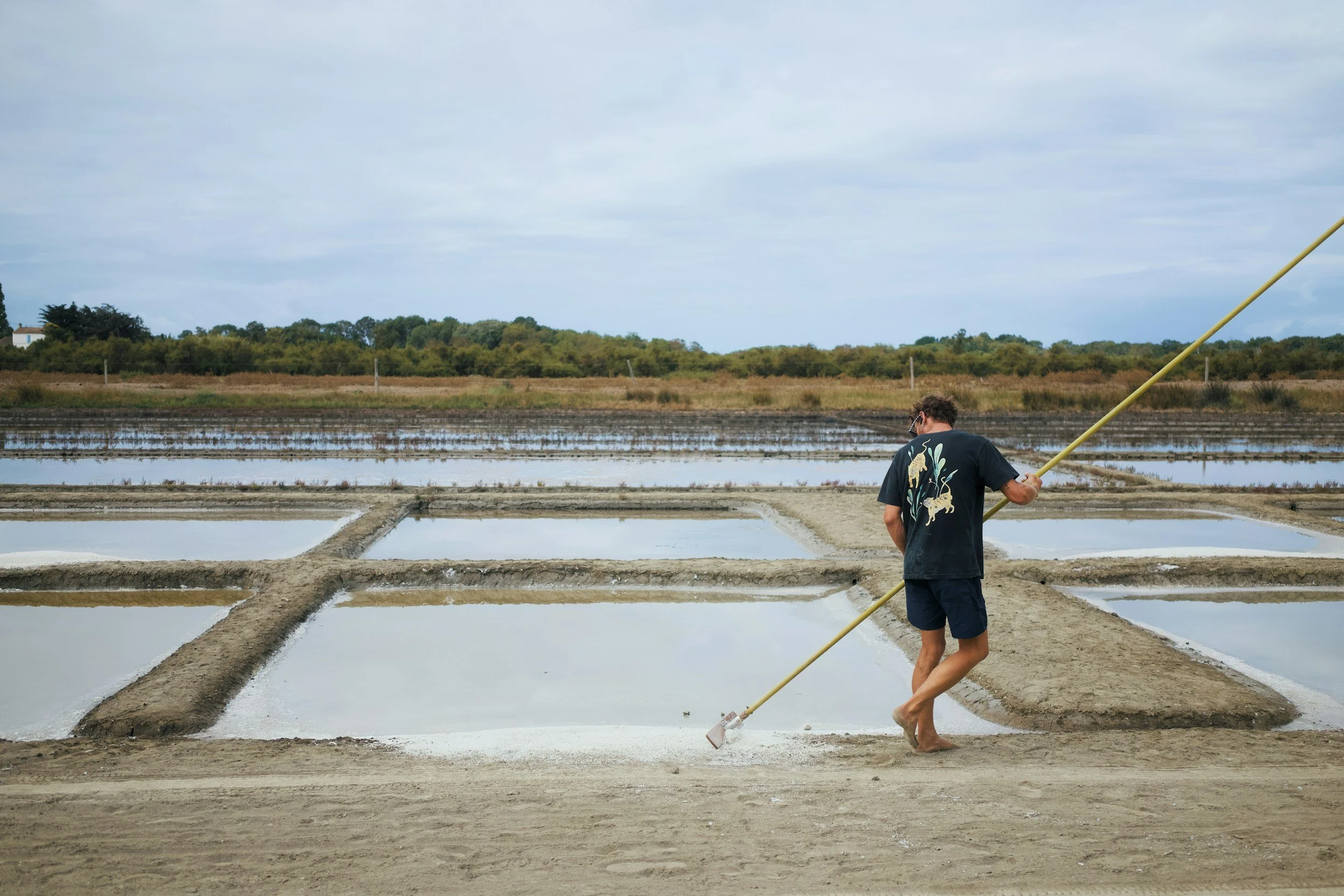
Let’s grow the coastal aquaculture industry in a way that' doesn’t jeopardise biodiversity. Image © Erwan Hesry
Queensland’s 7,000-kilometre coastline is home to one of the most extraordinary natural spectacles on Earth: the annual arrival of migratory shorebirds. Every year, species such as Far Eastern Curlew, Bar-tailed Godwit, and Red-necked Stint journey thousands of kilometres from Arctic breeding grounds to feed on the rich mudflats and estuaries along Australia’s east coast. These habitats are critical: without safe places to forage and roost, many shorebirds simply cannot survive their global migrations.
At the same time, Queensland’s coast is also a hub for a vibrant and rapidly growing industry — coastal aquaculture. Ponds for prawns and barramundi sit along many of the same sheltered coastlines favoured by shorebirds. Until recently, however, we did not know how often aquaculture facilities overlapped with shorebird habitat or what that might mean for conservation. A new study led by Dr Caitie Kuempel confronts this question, with a striking finding: around 50% of coastal aquaculture sites in Queensland are in close proximity to important shorebird areas, including internationally recognised feeding and roosting locations.
The research team mapped aquaculture facilities along the coast and compared them with data on shorebird distribution and habitat use, including areas listed under the East Asian–Australasian Flyway Partnership. The results show that many aquaculture ponds lie next to estuarine mudflats, saltmarshes, and sandbanks — habitats that migratory shorebirds depend on to build fat reserves for their long flights. This proximity means aquaculture is not happening “near wildlife” in a general sense; it is occurring next to locations where the loss or degradation of feeding habitat could have measurable consequences for global populations.
The study also identifies several potential risks. Water discharge from aquaculture can alter salinity and nutrient levels in nearby wetlands, affecting invertebrate communities that shorebirds feed on. Artificial lighting at night can disrupt the behaviour of nocturnal foragers and disturb roosting birds. Increased vehicle and human activity may also cause repeated disturbance, reducing birds’ ability to feed efficiently — a problem that has been linked to population declines in several species.
However, the research is not a condemnation of the industry. In fact, the study highlights opportunities for aquaculture and conservation to coexist more sustainably. One promising avenue is zoning and planning that steers new aquaculture developments away from internationally important shorebird habitats, particularly known high-tide roosts and key feeding flats. For existing facilities, simple management interventions — such as controlling lighting, protecting adjacent intertidal shorelines, and managing effluent more carefully — could reduce impacts without threatening business viability.
The message of the paper is not that aquaculture must stop, but that it requires smarter planning. Queensland’s aquaculture sector is expanding rapidly, supported by global demand and economic incentives. Without careful management, this growth could unintentionally erode the very ecosystems that make Australia’s coastline unique. Ensuring that aquaculture development respects the needs of migratory birds aligns with both conservation commitments and the long-term sustainability of coastal industries.
As climate change reduces wetland extent and rising seas squeeze intertidal habitats against hard coastal infrastructure, every remaining feeding flat and saltmarsh becomes more valuable. Protecting shorebird habitat is not just about preserving migration — it is about safeguarding the health of Queensland’s coastal ecosystems. With planning that respects these remarkable travellers, Queensland can remain a vital stopover on one of the planet’s greatest migrations.
Read the full study here.